- Email

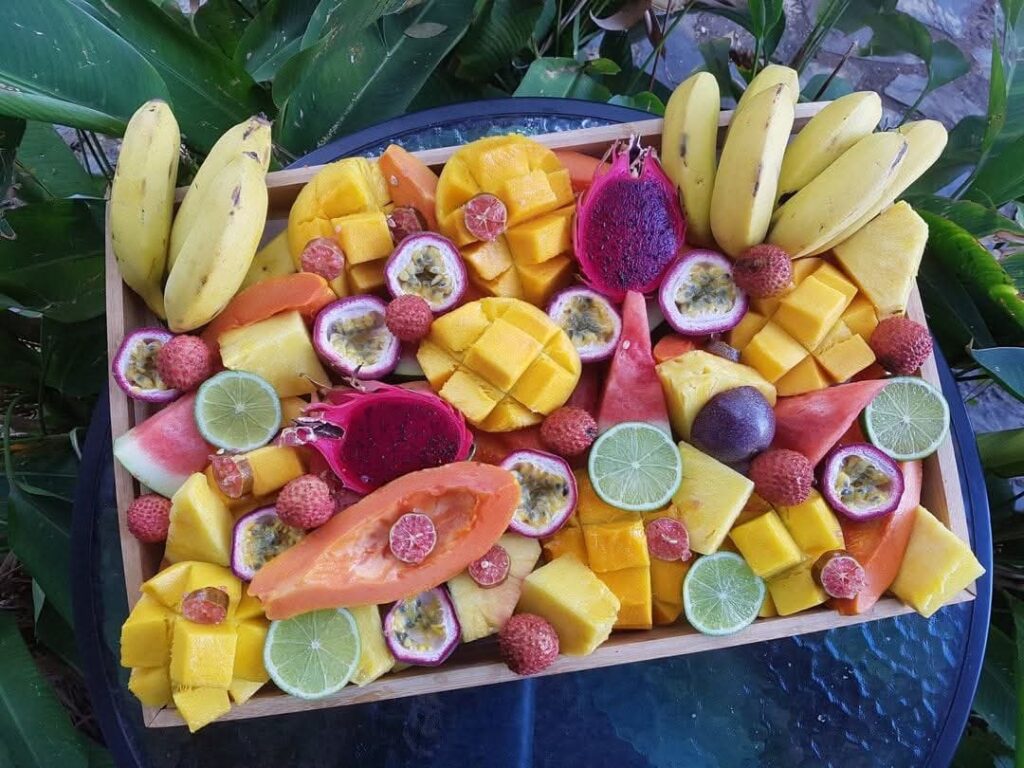
If you’ve ever driven up the range and felt the air change, you’ve felt part of the magic already. The Mareeba Shire within the Atherton Tablelands isn’t just beautiful, it’s are one of Tropical North Queensland’s true food-producing regions. Locals call it the “food bowl” for good reason: our mix of rich soils, altitude, rainfall and microclimates means fresh produce is grown here across the year.
For visitors, that means something special, you’re travelling through a region that can genuinely feed itself, and where eating local isn’t a trend, it’s a way of life.
The Tablelands sits in a sweet spot geographically. Cooler nights, warm days, fertile ground and generations of farming knowledge create ideal growing conditions. Different pockets of the region grow different crops depending on altitude and climate, which is why the variety can feel endless.
This isn’t produce that’s travelled forever and been handled a dozen times. This is food with a story, grown by people who live just down the road and often reaching local kitchens within days of harvest.
One of the best parts of visiting is tasting what’s in season. The Tablelands reminds you how food is meant to work: it comes in, it’s abundant, it tastes unreal, and then it changes.
Here’s a real snapshot of our seasons:
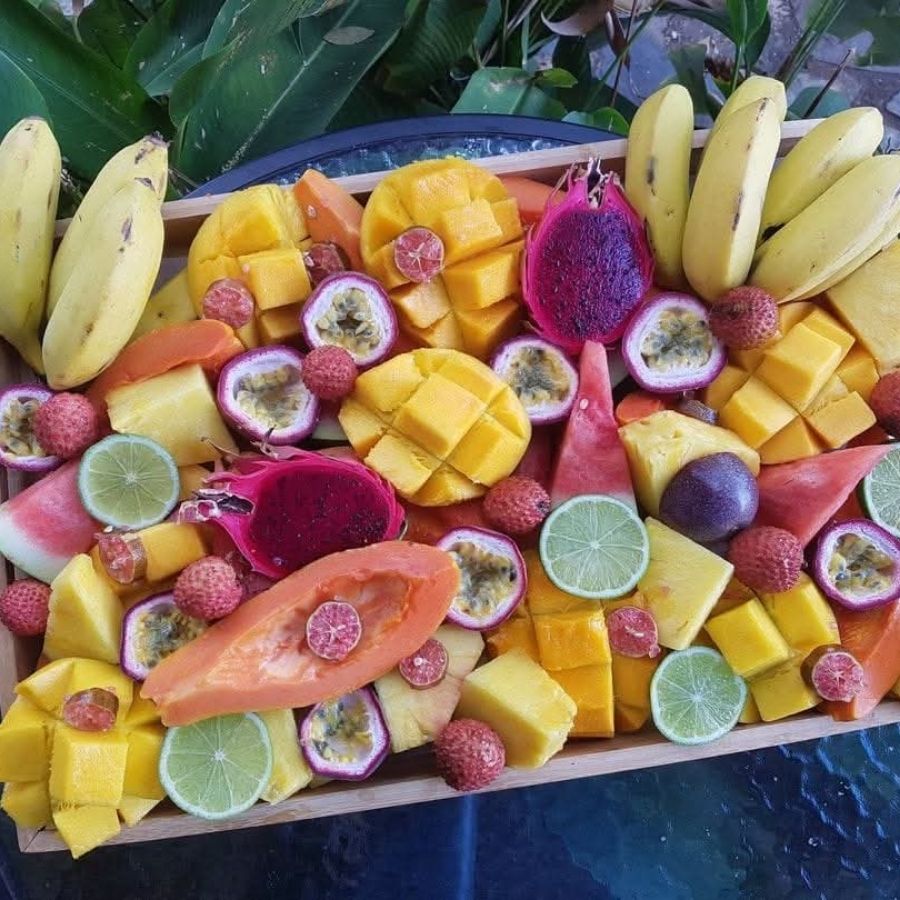
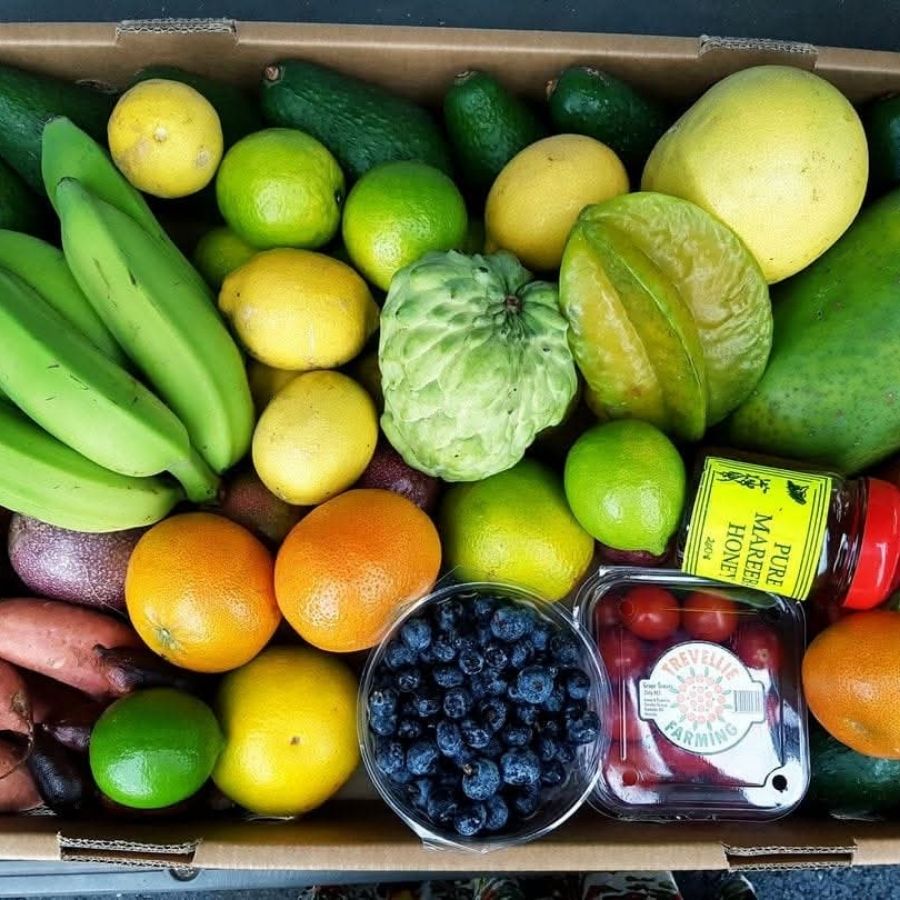
All-year staples (365 days): bananas, papaya, lemons, limes, sweet potatoes, pumpkins, passionfruit.
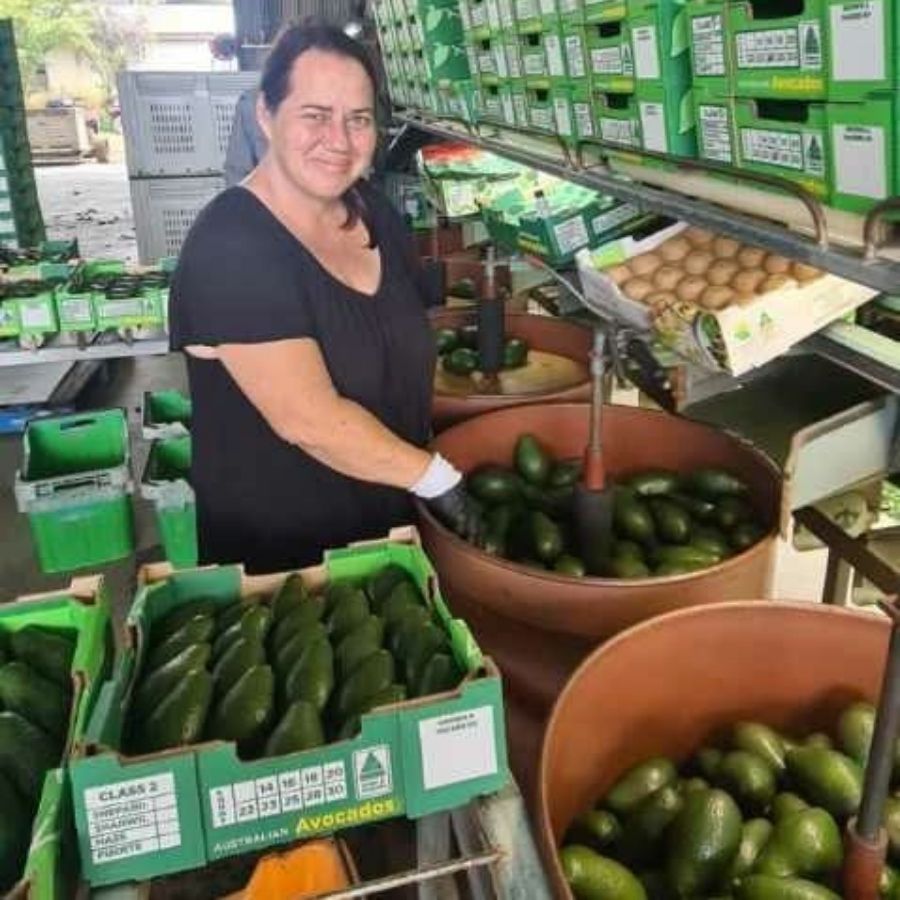
Avocados: February to August.
Custard apples: March to May.
Blueberries: March to November.
Dragon fruit: four seasons across the year, peaking in summer and slowing down in winter.
Winter vegetable season is our hero season: most vegetables (especially leafy greens) thrive in the cooler months. When the heat ramps up, many plants simply can’t cope, they “retreat” until conditions settle again.
Key veg window (July to October): lettuce, kale, silverbeet, zucchini, capsicums, tomatoes, onions, cabbage and cucumbers typically shine from July to October. Once summer kicks in, the heat becomes a real challenge for these crops.
Spring/summer favourites (October to December, sometimes into January): watermelons, lychees and mangoes arrive October to December, and if we’re lucky the season can stretch into January.
The best advice for visitors? Let the season guide you. When something is grown here in abundance, it’s usually at its best for flavour and value.
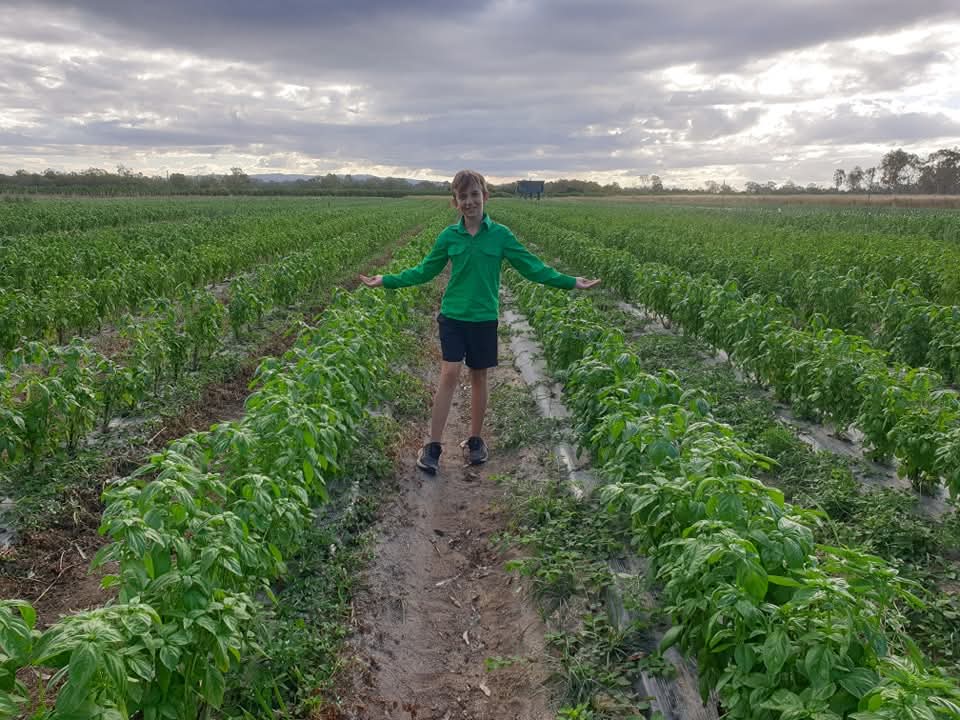
The moment produce is picked, the clock starts. Over-handling, long transport and extended cold storage can impact freshness and flavour. That’s why locally grown produce often tastes more vibrant, it spends less time in transit, is handled fewer times, and can be harvested closer to its best eating stage.
Supporting local growers keeps farming viable, keeps local jobs in the region, and strengthens food security in FNQ. The Tablelands can feed communities, but only if what’s grown here is valued.
So while you’re visiting, taste where you are. The Tablelands isn’t just a place you travel through, it’s a place that grows the good stuff.
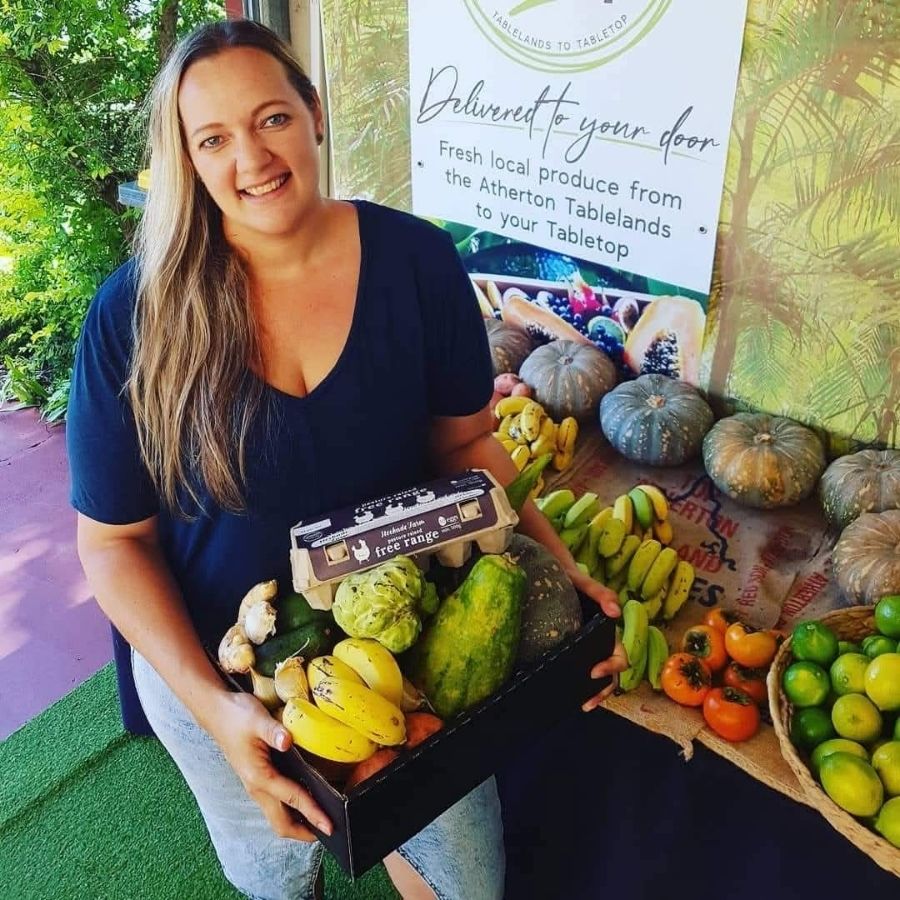
– Angela Nason, Tablelands to Tabletop (Mareeba)
Recent Comments